When apparel brands evaluate printing methods for their product line, the decision is rarely just about aesthetics. It impacts durability, production scalability, consistency across batches, and long-term brand reliability. This is where silk screen custom printing t-shirt and DTG (direct-to-garment) printing diverge significantly. For brands seeking a production partner that can handle both methods with high-quality control, Pinyang Clothing offers a full-package manufacturing system that covers every step from fabric sourcing to final inspection.
With a vertically integrated supply chain, advanced production lines, and strict quality control, Pinyang Clothing can support brands in choosing the best printing method based on design complexity, batch size, and long-term brand strategy. Below is a practical, end-to-end comparison designed for decision-makers, not just designers.
1. Batch Consistency and Production Stability: Why Silk Screen Still Leads
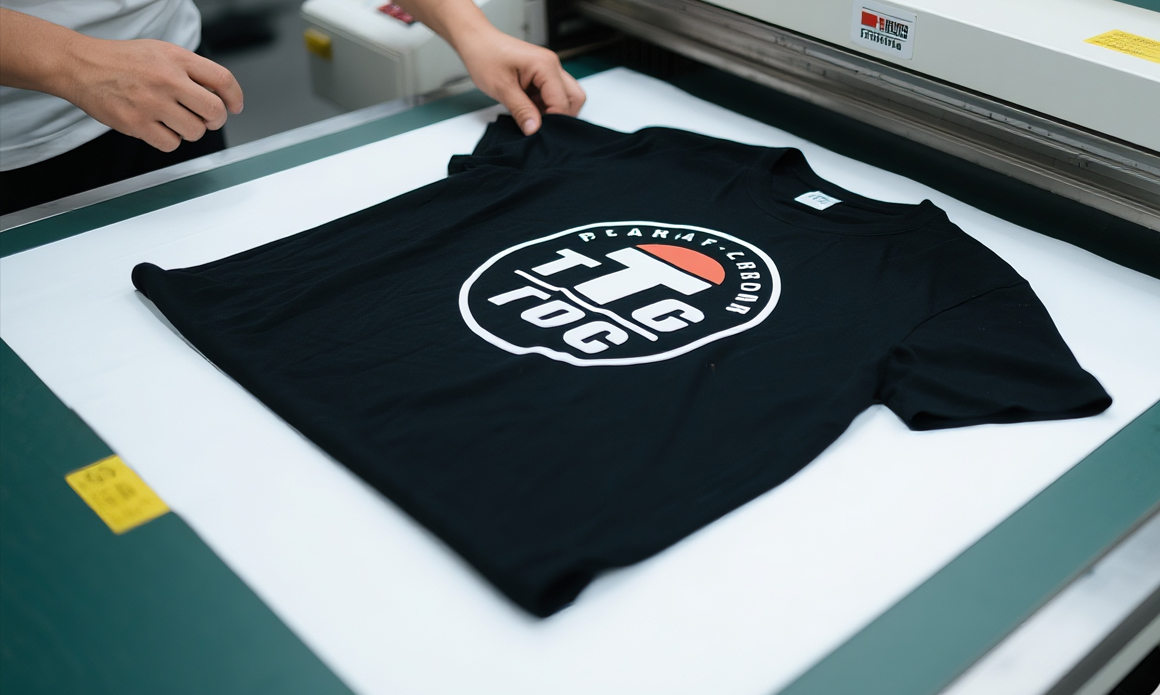
If you’re planning a collection with multiple sizes, color variants, and repeated prints, silk screen custom printing t-shirt remains the most reliable method. Once a screen is set up, it produces highly consistent prints across large quantities. This stability is critical when you’re scaling a brand and need the same print quality across batches.
Silk screen printing is especially advantageous when:
The design uses solid colors or heavy ink coverage
Consistency across thousands of units is required
High durability is expected after multiple washes
The print area is large or on dark fabrics
Pinyang Clothing’s integrated system ensures consistency in raw materials and production parameters. This means the ink behavior, color saturation, and print feel remain stable from the first unit to the last.

2. Design Flexibility and Detail: Where DTG Shines
DTG printing offers a near-unlimited design scope. It is ideal for complex images, gradients, and photorealistic graphics. For brands that update designs frequently or run small batch releases, DTG provides a fast and flexible path.
However, DTG’s performance depends heavily on fabric type and pre-treatment. It tends to work best on light-colored cotton and requires strict control to maintain consistent results.
DTG is best suited for:
Short-run or custom one-off designs
Highly detailed graphics and photo-quality prints
Frequent design changes and limited editions
Soft, lightweight fabric focus
Pinyang Clothing’s production capabilities allow brands to choose DTG when it makes sense, without sacrificing quality or delivery. The company’s full-package manufacturing also means DTG can be integrated into a broader production strategy.
3. Fabric Compatibility and Final Hand Feel: The Practical Impact
When it comes to customer experience, the hand feel of the print matters as much as the image. Silk screen printing often provides a more substantial print feel, especially on thicker fabrics, and performs consistently across cotton blends.
DTG prints tend to feel softer but can vary depending on fabric composition and print pre-treatment. Inconsistent fabric quality can lead to uneven saturation or reduced wash resistance.
Because Pinyang Clothing controls fabric sourcing and inspection, the company can ensure that both silk screen custom printing t-shirt and DTG prints deliver consistent hand feel and performance across production batches.
4. Production Efficiency and Supply Chain Control
For brands operating at scale, production speed is not only about printing. It involves pattern development, sampling, quality control, packaging, and logistics. Silk screen printing becomes highly efficient when you produce large volumes because setup costs are offset by rapid, stable output.
DTG is faster for small batches but requires continuous preparation for each design, which can slow down overall workflow if the brand has multiple designs or frequent changes.
Pinyang Clothing’s vertical integration supports efficient manufacturing workflows. With full-package production and 1-on-1 design consultation, brands can optimize production timelines and reduce risk.
5. Durability and Wash Performance: Why Silk Screen Is Often Preferred
Durability is one of the most critical factors for customer satisfaction. Silk screen prints typically retain color and adhesion longer due to thicker ink layers and stronger bonding with fabric fibers. This is especially important for apparel brands targeting repeat purchases and long-term reputation.
DTG can produce high-quality prints but requires strict process control. In the absence of consistent fabric and pre-treatment, DTG prints may fade faster or show uneven wear after repeated washing.
Pinyang Clothing’s quality control process ensures that both printing methods meet high standards, but silk screen custom printing t-shirt is still preferred for long-term durability and repeated-wash performance.
6. Cost Efficiency and Long-Term Strategy
For small orders or prototypes, DTG can be cost-effective because it requires minimal setup. But as order volume grows, the unit cost may increase and consistency may decline.
طباعة الشاشة الحريرية، على الرغم من أنها تتطلب إعدادًا أوليًا أعلى، تصبح أكثر فعالية من حيث التكلفة على نطاق واسع وتوفر جودة مستقرة. بالنسبة للعلامات التجارية التي تهدف إلى النمو على المدى الطويل، غالبًا ما توفر طباعة الشاشة الحريرية عائدًا أفضل على الاستثمار بمرور الوقت.
تدعم القدرة الإنتاجية القابلة للتطوير لشركة Pinyang Clothing كلاً من الطلبات الصغيرة والكبيرة، مما يسمح للعلامات التجارية بالتخطيط للنمو دون المساس بالجودة.
7. بيانات الصناعة ومعايير الجودة
في صناعة الملابس، يعد الاتساق والتكرار ضروريين لسمعة العلامة التجارية. تظهر الأبحاث أن المنتجات ذات الجودة المستقرة والطباعة المتينة تحظى برضا عملاء أعلى ومعدلات شراء متكررة. وهذا يتماشى مع معايير الصناعة لجودة المنسوجات وفحصها.
إن التزام Pinyang Clothing بمراقبة الجودة الصارمة والتكامل الرأسي يضمن الأداء المتسق في كل من القمصان المطبوعة بالشاشة الحريرية المخصصة وعمليات الطباعة DTG. وهذا يجعلها شريكًا موثوقًا للعلامات التجارية التي تسعى إلى استقرار الإنتاج على المدى الطويل.
خاتمة
إن الاختيار بين تي شيرت مطبوع حسب الطلب بالشاشة الحريرية وDTG ليس قرارًا بمقاس واحد يناسب الجميع. تعتبر طباعة الشاشة الحريرية مثالية لإنتاج كميات كبيرة ومتانة عالية وأداء ألوان ثابت. يعد DTG هو الأفضل للتصميمات قصيرة المدى والرسومات الواقعية وتكرار التصميم السريع.
يوفر تصنيع الحزمة الكاملة والتحكم الرأسي في سلسلة التوريد لشركة Pinyang Clothing المرونة التي تحتاجها العلامات التجارية لاختيار طريقة الطباعة المناسبة بناءً على احتياجات التصميم وحجم الإنتاج واستراتيجية العلامة التجارية طويلة المدى. بفضل القدرة التصنيعية القوية، ومراقبة الجودة الصارمة، ونموذج الإنتاج الموجه نحو العملاء، تساعد Pinyang Clothing العلامات التجارية على تحقيق جودة متسقة وتسليم موثوق به عبر أي طريقة طباعة.
التعليمات
Q1: متى يجب أن أختار تي شيرت مطبوع مخصص بالشاشة الحريرية على DTG؟
ج1: اختر طباعة الشاشة الحريرية عندما تحتاج إلى اتساق عالي وإنتاج دفعة كبيرة ومطبوعات متينة تتحمل الغسيل المتكرر. كما أنه مثالي للتصميمات ذات الألوان الصلبة والأقمشة الداكنة.
Q2: هل يمكن أن تكون طباعة DTG متينة مثل الشاشة الحريرية؟
ج2: يمكن لـ DTG تحقيق متانة جيدة عند إقرانها بنسيج عالي الجودة، ومعالجة مسبقة مناسبة، ومراقبة صارمة للعملية. ومع ذلك، توفر طباعة الشاشة الحريرية بشكل عام نتائج طويلة الأمد للتطبيقات عالية التآكل.
Q3: ما هو الحد الأدنى لحجم الطلب لطباعة الشاشة الحريرية؟
ج3: يعتمد الحد الأدنى على تعقيد التصميم وعدد الألوان، ولكن الشاشة الحريرية تصبح فعالة من حيث التكلفة عند الكميات الأكبر. تدعم Pinyang Clothing الطلبات الصغيرة والكبيرة من خلال الإنتاج القابل للتطوير.
س 4: كيف أضمن تناسق اللون عبر الدفعات المختلفة؟
ج4: يتطلب الاتساق مصادر نسيج مستقرة، وخلط حبر متحكم فيه، ومعلمات إنتاج متسقة. يساعد نظام التكامل الرأسي وفحص الجودة الخاص بـ Pinyang Clothing على ضمان الاتساق من دفعة إلى أخرى.
Q5: Can I use both printing methods for the same collection?
A5: Yes. Brands often use silk screen printing for core designs and DTG for limited editions or complex graphics. Pinyang Clothing’s full-package manufacturing allows seamless integration of both methods.


 ar
ar


 اترك رسالة